
Best Habits for a Balanced Modern Lifestyle
October 27, 2025
Trending Interior Design Styles for 2025
October 27, 2025
Introduction
We live in a time where technology shapes almost every aspect of our daily lives. From how we communicate and work to how we shop, learn, and relax—technology has become the heartbeat of the modern world. It’s hard to imagine a day without a smartphone, Wi-Fi, or smart devices that make our routines easier and faster. But while technology brings convenience and connectivity, it also changes how we think, behave, and interact with one another.
This article explores how technology is transforming modern lifestyles in areas like work, communication, health, education, and entertainment, while also highlighting both the benefits and challenges of this digital revolution.
1. Technology and Communication: Staying Connected 24/7
One of the biggest ways technology has changed our lives is through communication. Gone are the days of waiting for letters or relying on landline phones. Today, we can send messages, share pictures, and video chat with people across the world in seconds. Social media platforms like WhatsApp, Instagram, and Facebook have created global communities where distance no longer matters.
While this connectivity strengthens relationships and builds global friendships, it also has a downside. Many people find themselves constantly checking notifications or feeling pressure to stay active online. Still, the power of communication technology cannot be denied—it’s what keeps families close, businesses running, and societies connected.
2. The Digital Workplace: Redefining How We Work
Technology has completely redefined the way we work. Remote work, once rare, is now a normal part of professional life. Thanks to tools like Zoom, Slack, and Google Workspace, people can work from anywhere—home, a café, or even another country. This flexibility helps employees balance personal and professional life better.
Artificial Intelligence (AI) and automation have also reshaped industries. Tasks that once required hours of manual effort can now be completed in minutes with smart software. Virtual assistants help schedule meetings, while data analytics tools provide insights that guide major business decisions. However, the rise of automation also raises concerns about job security, as machines and algorithms replace certain roles.
Despite the challenges, technology has made workplaces more productive, efficient, and global than ever before.
3. Technology in Education: Learning Beyond Classrooms
Education has gone through a digital revolution. Online classes, e-learning platforms, and virtual classrooms have made education accessible to anyone with an internet connection. Students no longer need to attend physical schools to learn; they can study from home, access lectures anytime, and even earn degrees online.
Platforms like Coursera, Khan Academy, and YouTube have made learning flexible, affordable, and self-paced. Teachers now use smart boards and interactive apps to make lessons engaging. Even children are learning to code or use digital tools at an early age, preparing them for a tech-driven future.
However, this shift also highlights the digital divide—students without access to technology or the internet are left behind. To make the most of this transformation, society must ensure that technology in education remains inclusive and equitable.
4. Health and Fitness in the Digital Age
Technology has also made health and fitness more accessible. Wearable devices like smartwatches and fitness trackers monitor heart rate, sleep patterns, and physical activity in real-time. Mobile apps can track diet, remind users to drink water, and offer guided workouts. Telemedicine has made it possible to consult doctors online without visiting a clinic, especially during emergencies or pandemics.
Moreover, medical technology is advancing rapidly. From robotic surgeries to AI-assisted diagnostics, healthcare is becoming more accurate and personalized. Patients can store health records digitally and receive treatment based on data-driven insights.
However, relying too much on digital health solutions may sometimes cause anxiety or misinformation. That’s why it’s important to balance technology with expert medical advice and a healthy lifestyle.
5. Smart Homes and the Rise of Convenience
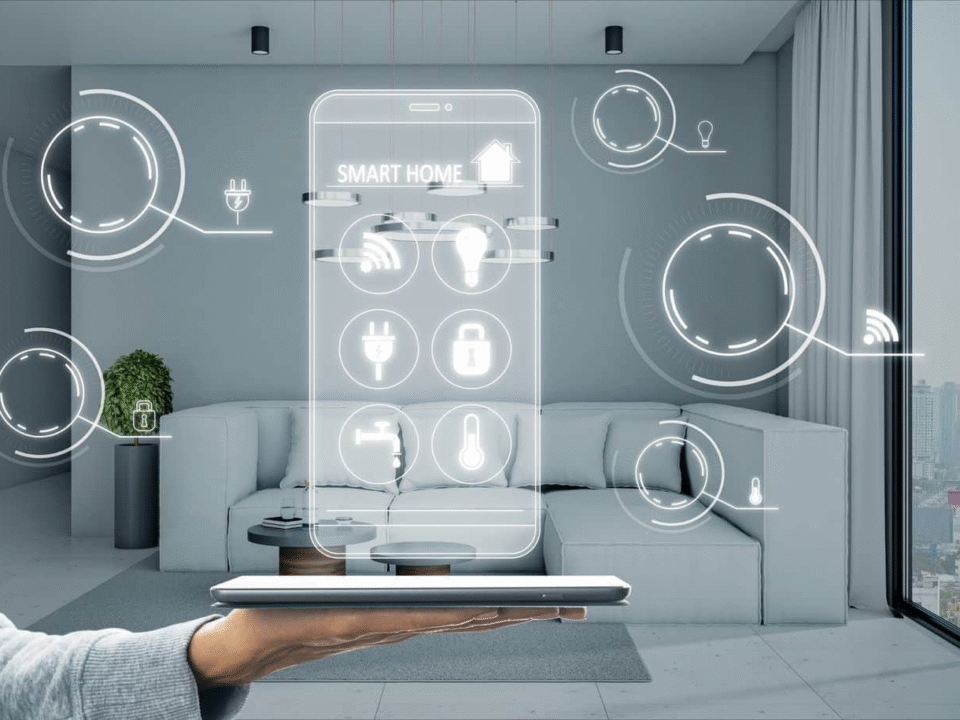
Our homes have also become “smart.” Devices like smart speakers, security cameras, and automated lighting systems make living easier and safer. You can control your home’s temperature, lights, or appliances using voice commands or smartphone apps.
Smart home technology also promotes energy efficiency—automated systems turn off unused devices, saving electricity and reducing bills. For many, this level of comfort and control was unimaginable just a decade ago.
However, with convenience comes concern. Privacy and data security have become major issues, as smart devices often collect and store personal information. Still, the growth of smart homes represents how deeply technology has become part of our personal spaces.
6. Entertainment in the Digital Era
Entertainment has experienced one of the biggest transformations thanks to technology. Streaming platforms like Netflix, YouTube, and Spotify have replaced traditional television and radio. Viewers can now watch shows or listen to music anytime, anywhere. Virtual reality (VR) and augmented reality (AR) are adding immersive experiences that make entertainment more interactive.
Gaming has also evolved dramatically, becoming both a hobby and a professional sport. Online gaming communities bring players together across continents, while esports tournaments attract millions of viewers. Technology has turned entertainment into an on-demand, personalized experience for everyone.
7. The Social Impact: Lifestyle and Relationships
While technology brings people closer virtually, it has also changed real-world relationships. Many people prefer texting over face-to-face conversations. Social media influences lifestyle choices, trends, and even self-image. People often compare their lives with others online, leading to stress or self-esteem issues.
At the same time, technology has given rise to new social movements, online support groups, and digital activism. It provides platforms where voices can be heard, especially for those who once lacked opportunities to express themselves.
The key is balance—using technology to enhance human connection rather than replace it.
8. Financial and Shopping Transformations
Online banking, digital wallets, and e-commerce have revolutionized how we handle money and shop. You can pay bills, transfer funds, and make purchases with just a few taps. Platforms like Amazon, eBay, and local online stores offer convenience that physical shopping can’t match.
Even small businesses now use digital payment systems and social media marketing to reach global customers. Cryptocurrency and blockchain are also shaping the future of financial systems.
While this shift brings convenience, it also increases the risk of cyber fraud and identity theft. Staying informed and cautious is essential in this digital financial world.
9. Environmental and Sustainable Technology
Technology is not only about convenience—it’s also helping to protect the planet. From electric vehicles to renewable energy innovations, tech is driving sustainability. Smart sensors and AI tools monitor pollution, track energy usage, and help industries reduce waste.
Green technology is reshaping how we produce and consume resources, promoting a cleaner, more sustainable lifestyle for future generations.
Conclusion
Technology has changed modern life in countless ways—making it smarter, faster, and more connected. It has transformed how we work, communicate, learn, and live. While challenges like privacy concerns and digital addiction remain, there’s no denying that technology continues to make our lives more efficient and enjoyable.
The key to a balanced modern lifestyle is using technology mindfully—embracing its benefits while staying aware of its impact. As innovation keeps evolving, our lifestyles will continue to adapt, bringing new opportunities for growth, connection, and creativity.
FAQs
1. How has technology improved everyday life?
Technology has made tasks faster and easier—whether it’s online banking, instant communication, or smart home devices. It saves time, boosts productivity, and offers more convenience in daily routines.
2. What are some negative effects of technology on lifestyle?
Overuse of technology can cause stress, reduced social interaction, and health issues like eye strain or poor posture. It’s important to use devices responsibly and take regular breaks.
3. How does technology influence modern education?
Technology has made education more accessible and interactive. Students can learn online, access global resources, and study at their own pace through digital platforms.
4. Is technology affecting our relationships?
Yes, technology has changed how people connect. While it helps maintain long-distance relationships, excessive screen time can reduce face-to-face interaction and emotional connection.
5. What is the future of technology in daily life?
The future will bring more automation, smart devices, and AI-powered systems. From self-driving cars to personalized healthcare, technology will continue to shape how we live, work, and connect.