
Budget-Friendly Home Improvement Ideas: Transform Your Home Without Breaking the Bank
October 27, 2025
The Benefits of Regular Home Maintenance Services: Why Your Home Deserves Consistent Care
October 27, 2025
Remodeling your kitchen can feel like a big task — but when done right, it transforms the heart of your home into a beautiful, functional, and inspiring space. Whether you’re aiming for a modern design, a cozy farmhouse feel, or a minimalist look, a well-planned kitchen remodel not only enhances your daily cooking experience but also increases your home’s value.
This guide will walk you step by step through the process of remodeling your kitchen, from planning and budgeting to the final finishing touches.
Step 1: Plan Your Vision
Every successful kitchen remodel begins with a clear vision. Start by thinking about what you want your new kitchen to look like and how you want it to function.
Ask yourself:
- Do you need more storage or counter space?
- Do you want to add a kitchen island?
- Are you keeping the same layout, or do you want to move appliances and walls?
Gather ideas from home improvement websites, Pinterest, or magazines. Create a mood board to visualize colors, materials, and designs that fit your taste.
Tip: Don’t rush this step. A well-thought-out plan will guide every decision that follows.
Step 2: Set a Realistic Budget
Your budget determines the scope of your kitchen remodel. Costs can vary depending on whether you’re doing a minor update or a full renovation.
Here’s a rough breakdown:
- Cabinets: 25–35% of your budget
- Appliances: 15–20%
- Countertops: 10–15%
- Flooring: 10%
- Lighting and fixtures: 5–10%
- Labor: 20–30%
Always keep 10–15% aside for unexpected expenses — like electrical or plumbing surprises.
Tip: If you’re on a tight budget, consider refinishing your existing cabinets or using laminate countertops instead of granite or quartz.
Step 3: Design and Layout Planning
Next comes your kitchen layout — the most important factor for functionality. The classic “kitchen work triangle” (the ideal distance between the sink, stove, and refrigerator) helps make cooking more efficient.
Popular layout styles include:
- L-shaped kitchen: Great for open spaces.
- U-shaped kitchen: Offers maximum storage and counter space.
- Galley kitchen: Ideal for small homes or apartments.
- Island kitchen: Adds space for cooking, dining, and socializing.
Once you finalize your design, you can create a detailed plan with measurements and a 3D model (many free tools like SketchUp or HomeByMe can help).
Step 4: Hire Professionals or Go DIY
Decide early whether you’ll hire professionals or tackle the remodel yourself.
- Hire professionals if your remodel involves electrical work, plumbing, or structural changes. Licensed contractors ensure the work is done safely and up to code.
- DIY approach is great for painting, installing backsplashes, or assembling cabinets — tasks that can save you money.
Ask for quotes from at least three contractors and check their reviews and past projects before making a final decision.
Step 5: Get Necessary Permits
Before starting any major work, check with your local building department to see if you need permits. Typically, you’ll need one if you’re:
- Moving plumbing or electrical lines
- Knocking down walls
- Changing windows or doors
Skipping permits can lead to fines or problems if you sell your home later. Always handle paperwork before demolition starts.
Step 6: Demolition – Out with the Old
Now comes the fun (and messy) part — demolition! This step involves removing old cabinets, appliances, flooring, and countertops.
Safety first:
- Turn off water, gas, and electricity before starting.
- Wear gloves, goggles, and a mask.
- Protect the rest of your home from dust by sealing off the area with plastic sheets.
You can rent a dumpster for debris or hire a junk removal service.
Step 7: Plumbing, Electrical, and Structural Work
After demolition, professionals handle the behind-the-walls work — updating plumbing, electrical wiring, and lighting.
Common updates include:
- Installing new pipes and drains
- Adding outlets for modern appliances
- Wiring for under-cabinet lights
- Ventilation for your range hood
This stage can take several days, depending on the complexity of your remodel.
Step 8: Install Drywall, Paint, and Flooring
Once the infrastructure is ready, it’s time to make the space look fresh.
- Drywall installation: Repair or replace damaged walls.
- Painting: Choose colors that complement your cabinets and lighting. Lighter shades make small kitchens appear larger.
- Flooring: Popular options include tile, vinyl, laminate, or hardwood. Install the flooring before placing heavy cabinets or appliances to ensure a seamless finish.
Step 9: Cabinets and Countertops
Cabinets define your kitchen’s personality. Choose between:
- Custom cabinets: Designed to fit your space perfectly.
- Semi-custom cabinets: Offer flexibility and cost efficiency.
- Stock cabinets: The most affordable option for tight budgets.
Once cabinets are in, it’s time for countertops. Materials like granite, quartz, butcher block, or laminate offer different aesthetics and durability.
Step 10: Install Appliances and Fixtures
With cabinets and countertops in place, it’s time to bring in your appliances — stove, refrigerator, dishwasher, and microwave.
Next, install:
- Sink and faucet
- Lighting fixtures (pendant lights or recessed lights)
- Backsplash tiles for style and easy cleanup
Make sure everything is connected and functioning properly before moving to the final step.
Step 11: Finishing Touches and Cleanup
You’re almost there! Add personal touches to bring your dream kitchen to life.
Consider:
- Stylish cabinet handles and knobs
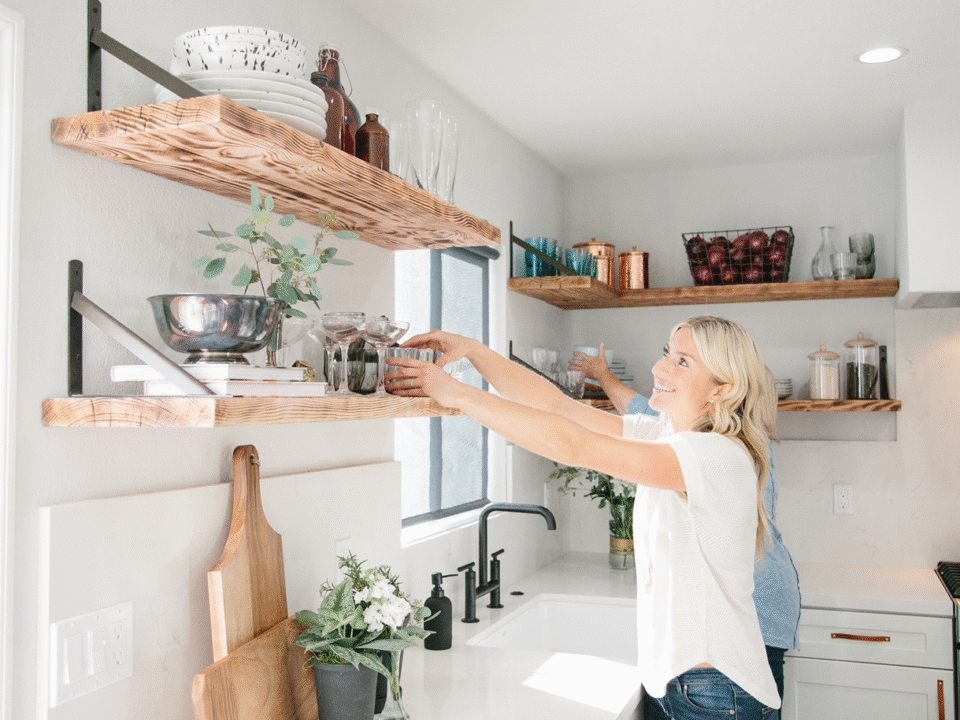
- Decorative open shelving
- Indoor plants or artwork for warmth
- Smart kitchen gadgets for convenience
Finally, clean up dust and debris, polish your new surfaces, and enjoy your beautiful new kitchen.
Step 12: Final Inspection and Enjoy!
Walk through your kitchen and check that:
- All electrical and plumbing systems work correctly
- Cabinets open and close smoothly
- No paint or tile flaws remain
If you hired a contractor, this is when you’ll do the final walkthrough and address any last-minute adjustments.
Then it’s time to celebrate — invite friends and family, cook your favorite meal, and enjoy the results of your hard work!
Conclusion
Remodeling your kitchen might seem overwhelming, but when broken down step by step, it becomes a rewarding journey. From planning your dream design to adding those personal finishing touches, every stage brings you closer to a space that’s truly yours.
A well-remodeled kitchen isn’t just about beauty — it’s about comfort, function, and a renewed love for your home. So take your time, follow the plan, and watch your vision come to life — one step at a time.
Frequently Asked Questions (FAQs)
1. How long does a kitchen remodel usually take?
A full kitchen remodel can take anywhere from 4 to 12 weeks, depending on the size, design complexity, and contractor availability.
2. What’s the most expensive part of a kitchen remodel?
Typically, cabinets and labor are the most expensive components, making up over half of the total budget in most cases.
3. Can I remodel my kitchen on a small budget?
Yes! You can save money by painting cabinets, replacing hardware, or using affordable materials like laminate countertops instead of granite.
4. Should I replace appliances during the remodel?
If your appliances are outdated or energy-inefficient, it’s smart to replace them while remodeling — this ensures everything fits perfectly into the new design.
5. Do I need to hire a designer for my kitchen remodel?
Not necessarily. If your remodel is simple, you can plan it yourself. But for large or structural changes, a designer can help you avoid costly mistakes and optimize your space.